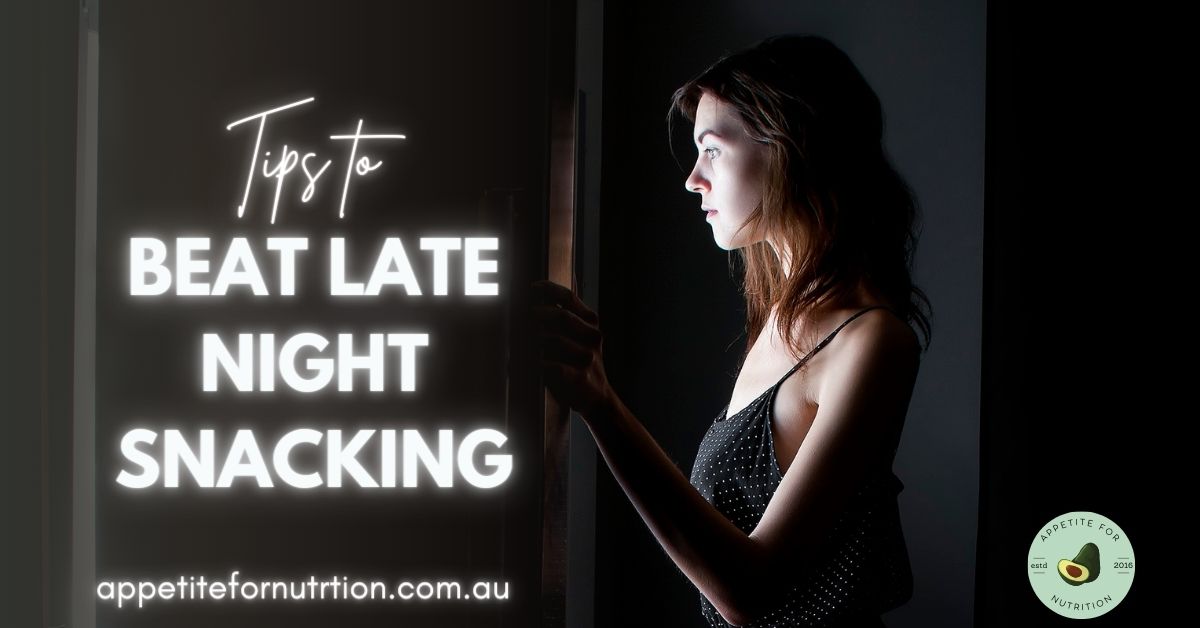
Late-Night Snacking: Why It Happens
Many people find themselves eating late at night — not because they’re hungry, but out of habit, boredom, or emotional triggers.
After a long day, it’s easy to unwind on the couch with the TV on and a snack in hand. This is often what dietitians call mindless eating — when you eat without paying attention to how much or why.
Sound familiar? You’re not alone.
The good news is that with a few small changes, you can reduce unnecessary snacking while still enjoying food in a way that feels satisfying and balanced.
What Is Mindless Eating?
Mindless eating happens when we eat without tuning in to hunger or fullness cues. It’s easy to do — especially when distracted by screens or stress.
You might notice that:
You reach for snacks even though you’ve just eaten.
You eat out of boredom or routine.
You don’t fully taste or enjoy the food you’re eating.
The goal isn’t to eliminate snacks — it’s to bring awareness back to when and why you eat.
Dietitian Tips to Manage Evening Snacking
1. Pause before reaching for more food
Give yourself 30–60 minutes after dinner before eating again. This allows your body to recognise if you’re truly hungry or just looking for comfort or distraction.
2. Build a balanced dinner plate
A filling meal helps reduce cravings later. Aim for:
½ plate of vegetables or salad
¼ lean protein (meat, fish, eggs, tofu, legumes)
¼ carbohydrates (potato, rice, pasta, bread)
Add a healthy fat source such as olive oil, avocado or nuts for satiety.
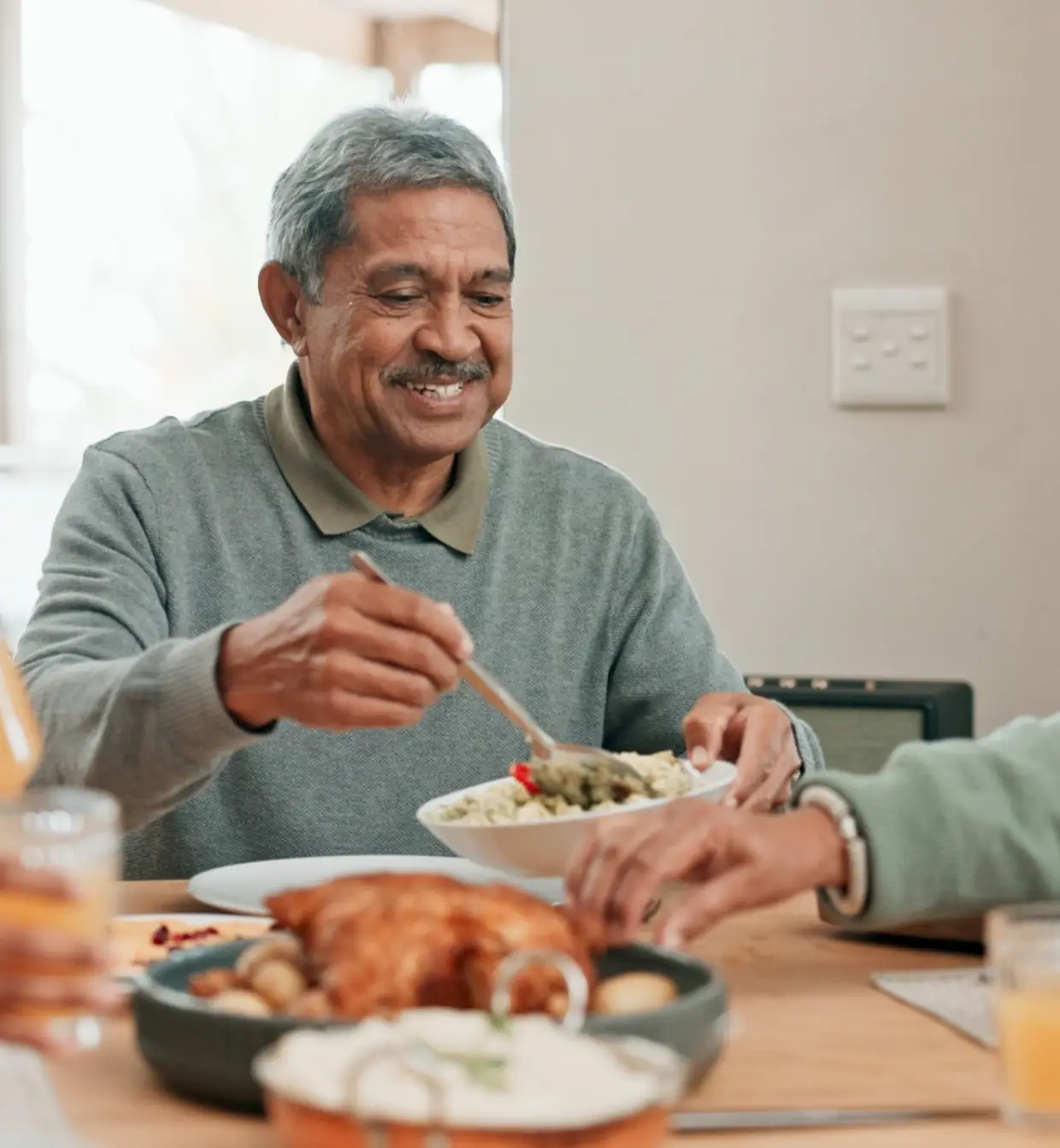
3. Limit distractions while eating
Avoid multitasking with the TV, phone or laptop during meals. Sit down, eat slowly and focus on the taste and texture of your food. You’ll likely feel more satisfied with less.
4. Choose nourishing snacks most of the time
If you are hungry, reach for foods that offer nutrition and enjoyment. Examples include:
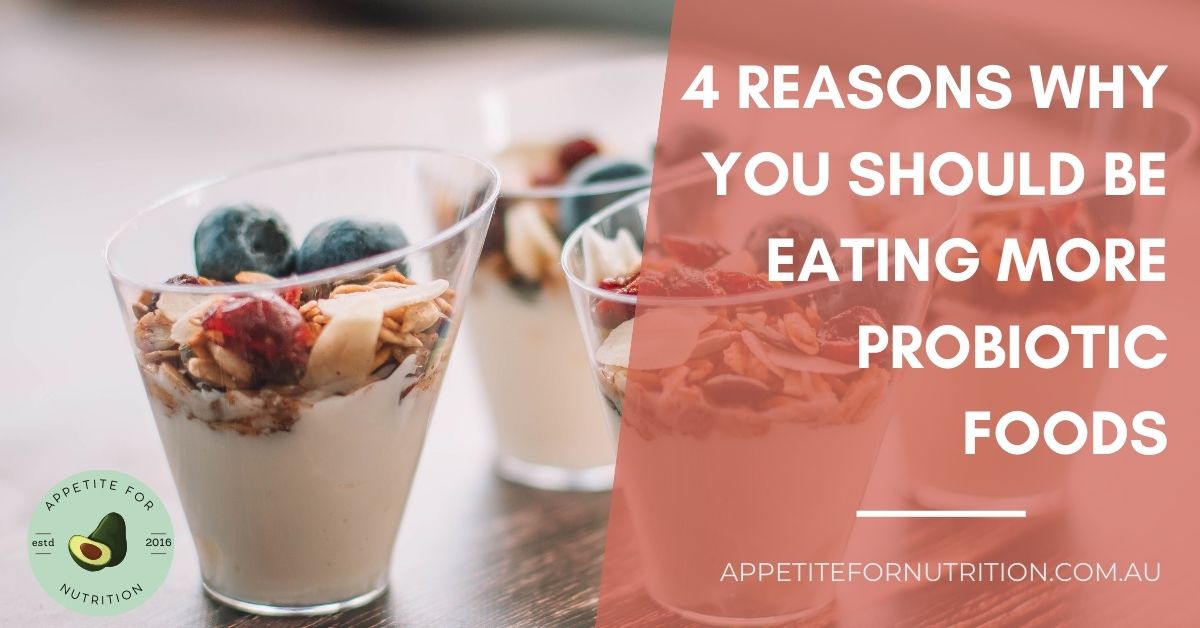
Greek yoghurt with fruit or granola
A handful of nuts and dried fruit
A small smoothie
A slice of fruit toast
Homemade bliss balls (see recipes below)
Bliss Ball Recipes
Coconut and Vanilla Bliss Balls (Makes approx. 12)
Ingredients:
Method:
Add cashews and dates to a food processor and blend until finely chopped.
Add the remaining ingredients and blend until combined.
Roll into tablespoon-sized balls and coat in coconut.
Store in an airtight container in the fridge.
Chocolate Bliss Balls (Makes approx. 12)
Ingredients:
1 cup walnuts (or pecans or hazelnuts)
1 cup pitted Medjool dates
5 tbsp cocoa or cacao powder
5 tbsp desiccated coconut + extra to coat
2 tbsp maple syrup
4 squares of 70% dark chocolate
Method:
Follow the same method as above.
These bliss balls are a great way to satisfy your sweet tooth while adding healthy fats, fibre and antioxidants.
If You’re Struggling with Habitual or Emotional Eating
Remember: late-night snacking is common, and occasional treats are part of a balanced lifestyle. The goal is awareness, not restriction.
But if you notice that snacking, emotional eating or strict food rules are starting to feel hard to manage or emotionally distressing, you might benefit from working with an eating disorder dietitian.
How an Eating Disorder Dietitian Can Help
Eating disorder dietitians are Accredited Practising Dietitians with additional training in disordered eating, binge eating, emotional eating and food relationship recovery.
They can help you:
Understand your eating triggers and patterns without judgment.
Learn how to trust your body’s hunger and fullness cues again.
Build a more positive relationship with food and body image.
Develop structured, balanced eating patterns to support both physical and mental health.
Work alongside psychologists or GPs for a holistic approach to recovery.
Whether you’re struggling with mindless eating, binge-eating patterns, or overly restrictive behaviours, an eating disorder dietitian provides tailored guidance to help you regain confidence and calm around food.
At Appetite for Nutrition, our dietitians have experience in supporting clients across the spectrum — from general nutrition advice to clinical eating disorder care. All consults are compassionate, evidence-based, and aligned with the Eating Disorder Credential framework.
Read more about The Role of Nutritionists in Overcoming Eating Disorder
Ready to Take Control of Your Eating Habits?
If late-night snacking, emotional eating, or food anxiety are impacting your wellbeing, our team of Accredited Practising Dietitians can help.
We offer both general nutrition consults and specialised eating disorder dietitian support, available online and in person across Brisbane, Gold Coast, Melbourne, Shepparton, Bendigo and Albury-Wodonga.
Contact Appetite for Nutrition today for individual consults or tailored meal plans designed to help you eat well and feel your best.
This blog was last updated October 2025.